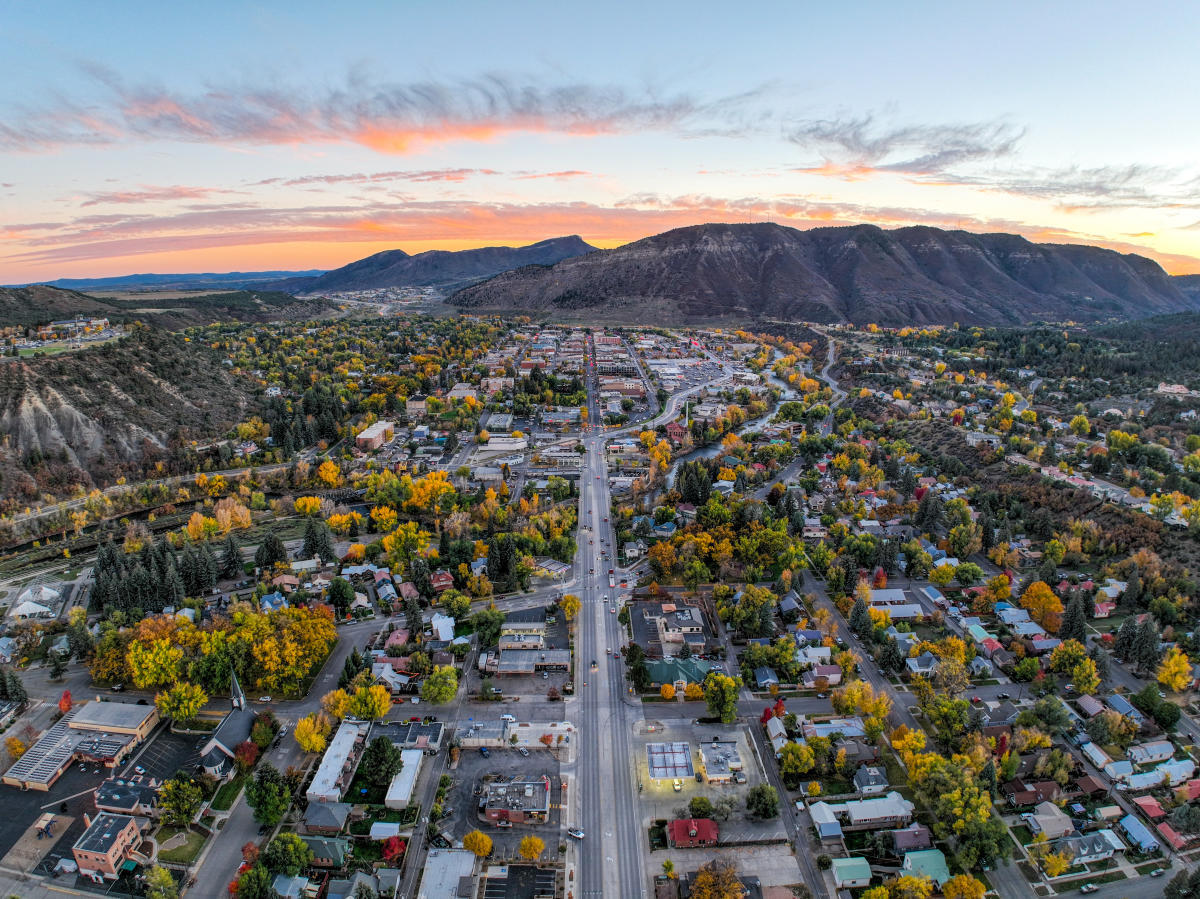
Durango housing is a tight mountain-town market. More people want to be here than there are streets to put them on, and a house downtown is not the same product as a house ten minutes up the valley.
The walkable core stays the scarce one. Historic Downtown, the Grid, SoCo, and Animas City barely add new homes, so older houses carry premium prices and sit on short lists when they come up. East of downtown, Skyridge, Hillcrest, and the Fort Lewis mesa take a lot of the family demand, with views back over the valley. South of town, Three Springs is the newer master-planned option: trails, parks, and houses that were built this century, close to Mercy and the commercial strip.
North is a different purchase. Edgemont and the Animas Valley trade a longer driveway for trees, acreage, and quiet, with Dalton Ranch and the river corridor mixed in. Farther up Highway 550, Purgatory, Glacier Club, and Tamarron are a resort market. Ski access, second homes, and a calendar that does not match a primary house in town. Condos show up downtown, along the river, and in those resort communities for people who want to lock the door and leave. County-road places, small ranches, and raw acreage should be priced against other rural sales, not against a bungalow on Third Avenue.
Buyers should expect thin inventory in the core and real differences between those pockets. Sellers should price the house for the pocket it is actually in. The pages linked below are the same split used on the neighborhood guide: all of Durango, commercial property, the in-town streets, and the resort corridor.
What the public listing sites will not tell you is which sales actually belong together. A pending sale on Third Avenue does not price a house in Dalton Ranch. A condo at Purgatory does not price a condo on the river. Commercial frontage on 160 does not price a Main Avenue building, even when both say Durango. The useful question is the pocket, then the house.
Buyers should ask how long similar houses in that pocket have been taking, not the average for the whole city. Sellers should ask for comps from the same streets, and for a price the house can defend if the first two weeks are quiet. Samantha Gallant prices with that local set of sales. The number on this page is the one to use: (970) 335-8225. The office is 700 Main Avenue.
Three products, not one search
Houses, condos, and land should not share a filter. A house on the grid is an older building on a small lot, often with a historic-district constraint on the outside. A condo downtown, on the river, or at Purgatory is a dues-and-rules purchase: the right to lock the door, plus whatever the association already decided about rentals and parking. Land and small acreage north and west of town are a third product. Price them against other vacant parcels, and ask about the well, the septic, and the road before you fall in love with the view.
New streets are mostly south of downtown, in and around Three Springs, plus occasional infill. The historic grid is not where Durango adds houses. If a search sorted by newest puts everything in one corner of town, that is the market, not a glitch in the listing site.
What a single Durango price leaves out
There is no live listing feed on this page, and there should not be one median price for the city. A number that averages Third Avenue with a condo at the ski area describes neither house. Inventory changes every week. The useful question is which recent sales sit in the same pocket, and that is a local read, not a chart that goes stale the day it is published.
Start with the neighborhood guide if you do not yet know which side of town you mean. Then use the pages below: how to read a Durango listings search, commercial property for sale, commercial space for lease, the in-town streets, and the resort corridor. Each of those is its own note. If you already have an address, skip the overview and use the form under this page, or call the office at 700 Main Avenue.